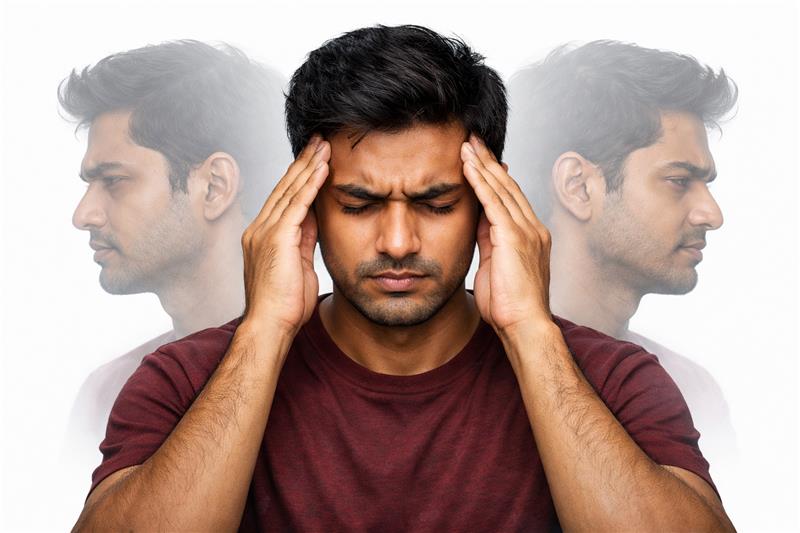
“We suffer more often in imagination than in reality.” — Seneca
We spend most of our lives trying to avoid pain. Physical pain, emotional pain, even the small discomforts of daily life—we treat them as mistakes, interruptions, or problems to fix immediately. But what if pain isn’t just something to “get rid of”? What if it’s shaping you into someone stronger, wiser, and more resilient?
The Culture of Quick Fixes
Today, everything is about instant relief. Got a headache? Pop a pill. Feeling low? Distract yourself with endless scrolling. Had a breakup? Download a dating app tonight. While these fixes can help in the moment, they often cut short the deeper work pain is supposed to do—teaching us, reshaping us, and preparing us for the next chapter.
Think about working out. When you lift weights, your muscles tear on a microscopic level. Those tearing hurts. But in healing, the muscles grow back stronger. Emotional pain often works the same way: it feels like it’s breaking you down, but in the rebuilding, you come back tougher.
Struggle as a Teacher
The Stoics understood this better than most. Cleanthes, one of the great Stoic philosophers, worked as a water carrier all night just to afford studying philosophy during the day. Exhausting? Absolutely. But it was those years of struggle that gave him resilience, humility, and strength that no comfortable classroom ever could.
The lesson? Pain isn’t a detour from life; it’s part of training.
Pain Breaks Our Stories (And Rewrites Them)
One of the hardest parts of suffering is how it destroys the stories we tell ourselves. A breakup makes us question our worth. Failure makes us doubt our abilities. A health scare shatters the illusion that we’ll live forever.
It’s brutal but it’s also clarifying. When life rips apart those old stories, it gives us space to build new, more honest ones. As Musonius Rufus said, hardship forces us to learn truths about ourselves that comfort keeps hidden. You learn compassion when you’ve been hurt. You learn resilience when you’ve been tested. You learn humility when you’ve been knocked down.
The Trap of Rushing Past Pain
Here’s the catch: most of us never stick around long enough to learn those lessons. We rush to numb the pain. We distract ourselves. We chase the next thing. But in doing that, we often miss the transformation.
Think of it this way, pain is like a cocoon. It’s uncomfortable, tight, and dark. But if you cut it open too early, the butterfly never grows strong enough to fly. Sometimes, you must let the process finish.
Changing the Question
Instead of asking, “How do I make this stop?” try asking, “What is this trying to teach me?”
That question turns pain from an enemy into a guide. It doesn’t make the hurt vanish, but it gives it meaning. And when pain has meaning, it becomes bearable.
Marcus Aurelius put it perfectly: “Today I escaped from anxiety. Or no, I discarded it, because it was within me, in my own perceptions—not outside.”
Pain can trap you, but it can also free you—if you learn to see it differently.
Final Thought
You don’t have to go looking for suffering. Life will bring it on its own—breakups, failures, disappointments, and setbacks. But the next time it arrives, pause. Instead of rushing to escape, lean in with curiosity. Ask what it’s building in you.
Because your pain isn’t pointless. It’s shaping the stronger, wiser version of you that you’ll need for what comes next.