
(Pronounced as "you no ya" )


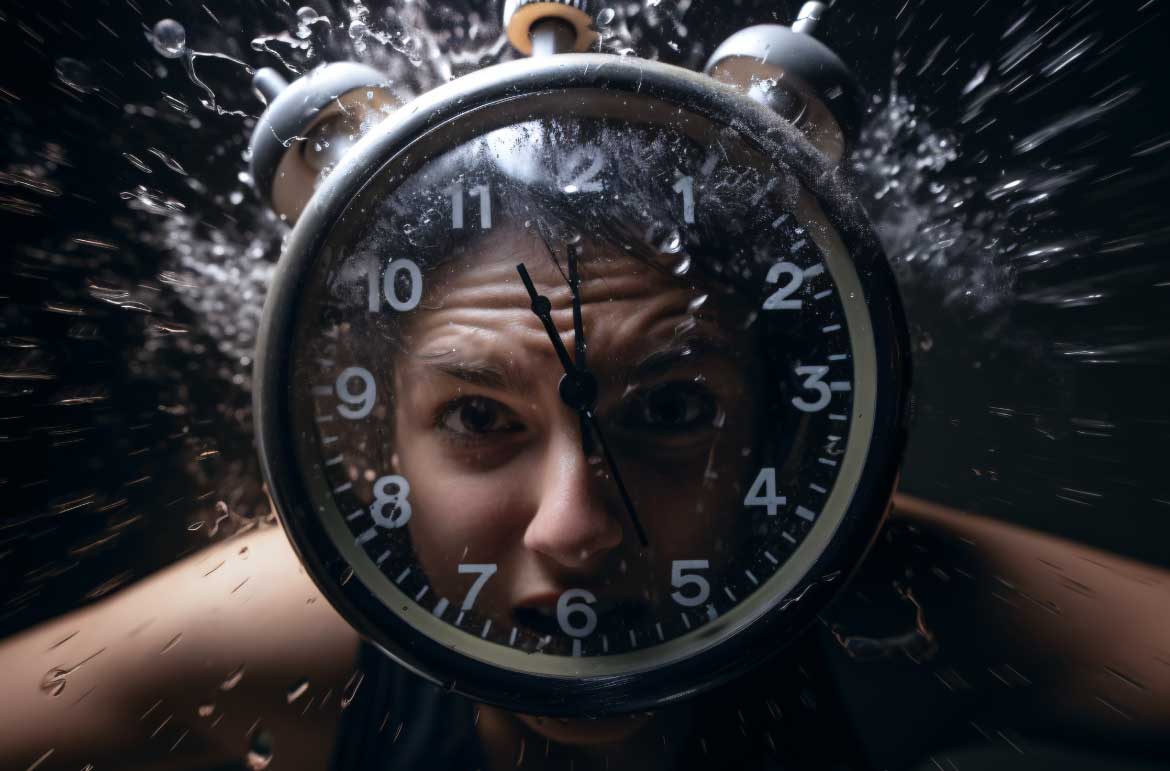
Stress is not unusual. It is not a flaw in your personality. It is not a sign that you are incapable.
It is a response.
You feel it before something important. You feel it when expectations rise. You feel it when life moves faster than your ability to process it. In small amounts, stress sharpens you. It prepares you. It pushes you to adapt.
But when stress becomes constant, when pressure never fully lifts, it begins to change how you think, behave and experience yourself. What once felt motivating starts to feel draining. What once felt temporary begins to feel permanent.
Understanding stress is the first step toward managing it. Not by fighting it, but by responding to it with awareness.
Stress is your mind and body reacting to demand. Whenever something feels uncertain, urgent or important, your system activates to help you cope.
Your focus narrows. Your heart rate may rise. Your muscles tense. Thoughts speed up. You become alert.
This reaction is natural. For most of human history, it helped us survive immediate danger. The problem today is not the stress response itself. It is the frequency and duration.
Modern stress rarely ends quickly. Instead of short-lived threats, we face ongoing psychological pressure. Work deadlines, financial uncertainty, social comparison, relationship tension, academic expectations, digital overload. The body reacts as if danger is present, even when the “threat” is an email or an unfinished task.
Stress becomes harmful not because it exists, but because recovery disappears.
Stress is your mind and body reacting to demand. Whenever something feels uncertain, urgent or important, your system activates to help you cope.
Your focus narrows. Your heart rate may rise. Your muscles tense. Thoughts speed up. You become alert.
This reaction is natural. For most of human history, it helped us survive immediate danger. The problem today is not the stress response itself. It is the frequency and duration.
Modern stress rarely ends quickly. Instead of short-lived threats, we face ongoing psychological pressure. Work deadlines, financial uncertainty, social comparison, relationship tension, academic expectations, digital overload. The body reacts as if danger is present, even when the “threat” is an email or an unfinished task.
Stress becomes harmful not because it exists, but because recovery disappears.
Not all stress feels the same and recognizing the pattern helps you understand your experience.
Sometimes stress is short term. You feel it before a meeting, an exam or an important conversation. Once the moment passes, your body settles. This kind of stress can enhance performance. It creates urgency and focus.
Other times stress becomes frequent. You move from one task to the next without pause. There is always something pending. You feel rushed even when nothing dramatic is happening. Over time, this repeated pressure accumulates. Patience shrinks. Clarity fades.
Then there is chronic stress. This is when tension becomes your baseline. You wake up already tired. Even during rest, your mind does not fully switch off. Chronic stress often stems from long term uncertainty, unresolved conflict, misalignment between effort and reward or carrying too much responsibility without enough support.
The key difference between healthy stress and harmful stress is not intensity. It is whether you return to calm.
Stress affects your mind, body and behaviour. Recognizing symptoms early allows you to intervene before they escalate.
Many people ignore these early warning signs until stress becomes unmanageable. Awareness is the first step toward prevention.
Stress narrows perspective. It makes everything feel urgent and important. When everything feels urgent, your nervous system never truly relaxes.
When stress becomes persistent, it begins to influence daily life more deeply.
Sleep often changes first. Racing thoughts make it difficult to fall asleep or you wake during the night thinking about unfinished tasks. Without proper rest, emotional resilience declines. You react faster and recover slower.
Your body may hold tension continuously. Headaches, muscle stiffness, digestive discomfort and low energy can become common. These are not random. They are signals of sustained activation.
Emotionally, chronic stress reduces flexibility. You become more reactive. Neutral events may feel threatening. Ambiguity feels unsafe. Creativity and problem-solving decline because your mind is focused on managing perceived risk.
Behaviourally, relationships can be affected. Communication shortens. Patience decreases. You may withdraw or become defensive. At work or school, productivity might drop, not because you lack ability, but because mental bandwidth is consumed by constant pressure.
Stress also changes how you see yourself. You may start believing you are “bad at coping” or “not strong enough,” when in reality your system is simply overloaded.
Although triggers vary, common stressors include:
Identifying your personal stress triggers is crucial. What overwhelms one person may not affect another the same way.
Part of the challenge lies in the environment.
There are few clear boundaries now between work and rest. Notifications follow you home. News cycles never pause. Social comparison is available every minute. There is constant exposure to what others are achieving.
This creates a sense of perpetual evaluation. You are always aware of what you could be doing better, faster or differently.
The nervous system was not designed for endless stimulation. Without intentional breaks, your body remains in mild alert mode for much of the day. Over time, that mild alertness becomes your default.
Recognizing this context is important. It reminds you that your stress is not purely personal weakness. It is also environmental overload.
Overcoming stress does not mean eliminating pressure from your life. It means strengthening your response to it.
Managing stress is reactive. Preventing it is proactive.
Stress prevention is not about controlling life completely. It is about creating enough stability internally that external pressure does not overwhelm you.
Stress is not your enemy. It is a signal.
It tells you that something matters, that something feels uncertain or that your capacity is being stretched. When you ignore it, it grows louder. When you listen to it carefully, it becomes information.
The goal is not to create a stress-free life. That is unrealistic. The goal is to build a steady internal base, one that allows pressure to pass through you without overwhelming you.
Resilience is built in small, repeated actions. Pausing before reacting. Choosing rest over constant output. Speaking honestly. Setting boundaries. Slowing your breath. Stepping outside. Letting imperfection exist without panic.
You are not weak because stress affects you. You are human. And with awareness, boundaries, rest and honest reflection, you can move through stress without losing yourself in it.